Welcome to the community. The Jewish story inside the history students already learn, from the ancient world to today. |
60+ chapters | K–12 and college | Free no logins, no ads |
|
Hello, and thank you for signing up with Teach Jewish History! This is our first email to subscribers. From time to time, we’ll share what’s new. In many world history textbooks, the Jewish people appear in the ancient world as the Israelites. They reappear more than two thousand years later, in the twentieth century, as victims of the Holocaust. In between, Jewish history appears only in passing, if at all. |
Yet Jewish history runs through the units world history courses already teach: ancient Babylon and Persia, Rome, the rise of Christianity and Islam, medieval Europe, Spain in 1492, the Enlightenment, the World Wars, and the modern Middle East. Students meet the eras. They rarely meet the people who lived through all of them. Following one people through all of those eras gives students a fuller picture of the times and places they already study: how empires governed the peoples they ruled, how faiths and states set the terms of belonging, how communities lived beside their neighbors, and how laws protected or excluded them. Who belongs? Followed across those eras, Jewish history answers a question every student will face as a citizen: who belongs? Few histories show how societies have answered it as clearly or for as long. Under Islamic rule, Jews lived as a protected but legally subordinate minority. In Christian Europe, they were forced into walled quarters and expelled from whole countries. When revolutionary France debated whether equal rights belonged to everyone, the Jews became the test case. |
The whole arc Teach Jewish History tells the whole arc: what came before, what came between, and what came after, up to today. The Holocaust grew out of centuries of lies and laws about Jews, and it reached far beyond Nazi Germany, across occupied and allied Europe and into North Africa and the Middle East. Its effects, and the hatred behind it, did not end in 1945. The site follows them through the trials, the rebuilding, and today. How it began How to use it Read in order, the site’s chapters form an introductory textbook. Taken one at a time, each chapter works as a single lesson that drops into the history, social studies, and English classes teachers already teach. Every chapter is built on primary sources and lists the standards it aligns with. There are no logins and no ads. |
Who it’s for For everywhere this history is taught, and everywhere it can help. Classrooms Teachers in public and private schools, from kindergarten through college, and in faith-based schools of all backgrounds, with ready-to-teach lessons that drop into the courses they already teach. |
| Anyone confronting antisemitism Professionals and community members who need to understand this history and recognize antisemitism in schools, workplaces, and public life. |
| School leaders Superintendents, principals, deans, and curriculum directors who want to close the gap with richer lessons that fit the courses schools already offer. |
| Communities Libraries, museums, community centers, houses of worship of every faith, interfaith groups, and adult learning programs. |
| Lifelong learners and families Anyone curious about Jewish history, reading at their own pace, and families learning together at the kitchen table. |
| Israel trips and new arrivals Groups preparing to visit, and programs welcoming new arrivals, can learn the history of the land and its people. |
|
|
Standards Companions Find your state, province, or country. Each Standards Companion maps the chapters to a state’s or country’s standards and, where one exists, its Holocaust education mandate, course by course. There is one for every U.S. state and D.C., every Canadian province, and places from England and Ireland to Australia, New Zealand, and South Africa. |
The gap 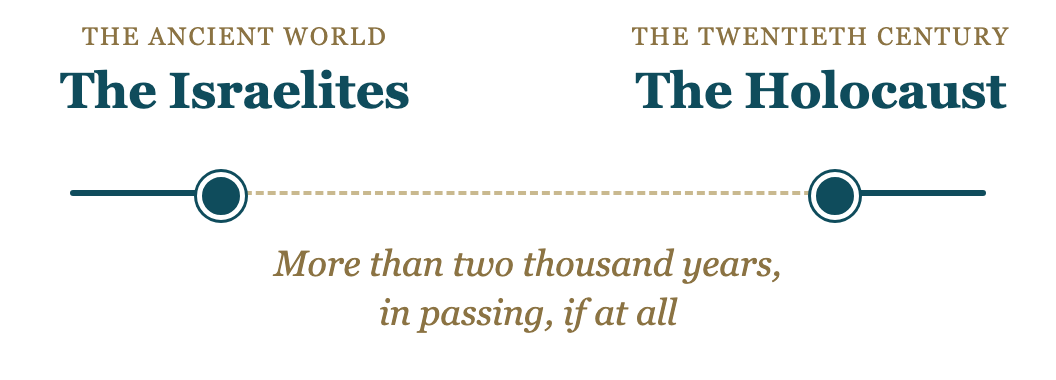 Too many students meet Jews for the first time as victims. They should meet more than 3,000 years of Jewish life first. |
|
What this history adds The ability to recognize a pattern The history of antisemitism is one of the longest documented records of how a hatred works, how a lie about a people is invented, spread, believed, and written into law. The site’s Recurring Cycle chart traces it across the centuries: by lies, by law, by force. Then rebuilt. See the Recurring Cycle → |
This history is well documented in archives, museums, and generations of scholarship, and the site’s Sources page points the way to them. Students rarely get to see it whole. Teachers can start in any unit, at any grade, this year. |
From the chapters Start with any chapter. 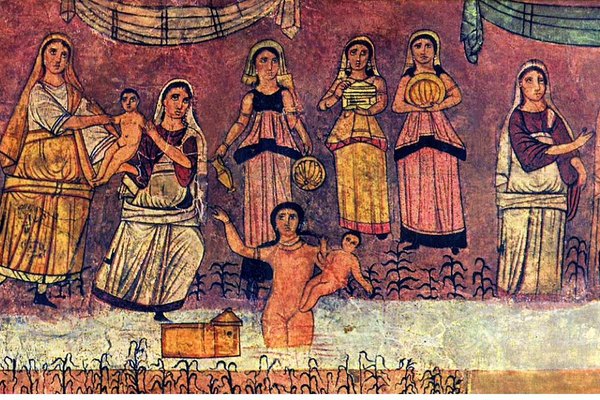 The Dura-Europos synagogue, Roman Syria, c. 244–256 CE. National Museum of Damascus. | 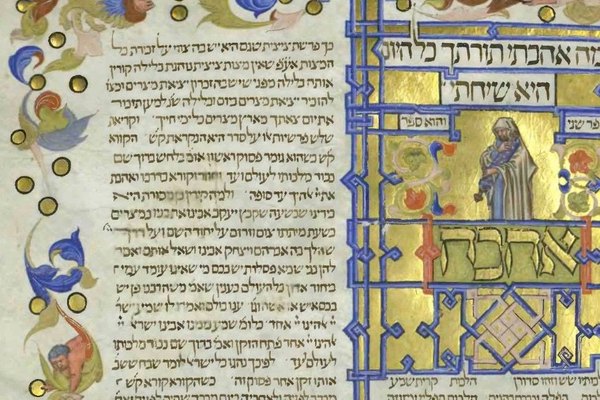 His Mishneh Torah, copied in the 14th century, illuminated in Perugia, c. 1400. National Library of Israel. | 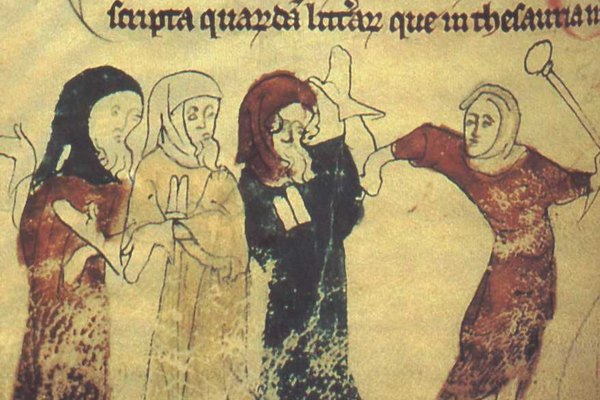 The expulsion from England, 1290, in a 14th-century chronicle. British Library. | 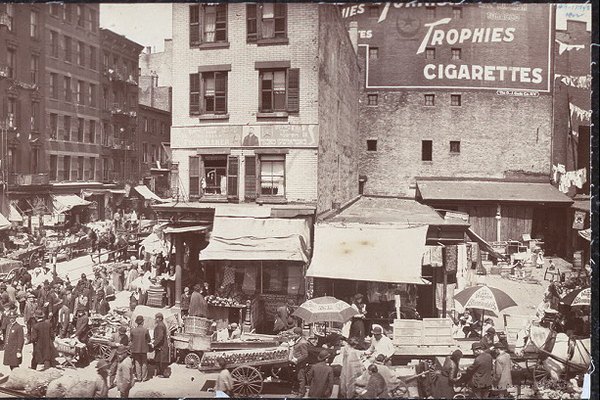 Hester Street, New York, early 20th century. Library of Congress. | 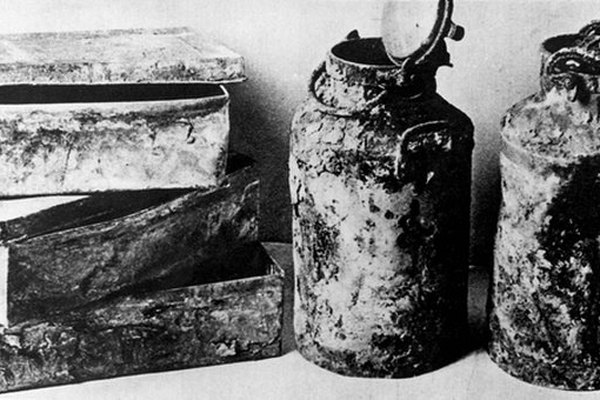 | Jewish Resistance & Rescue → |
The Oneg Shabbat archive, buried in the Warsaw Ghetto, unearthed in 1946 and 1950. Jewish Historical Institute. | 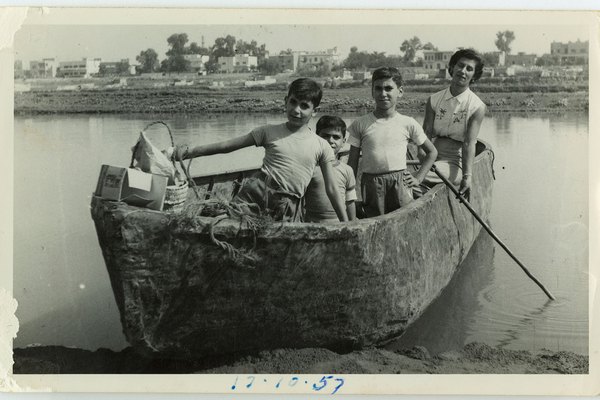 On the Tigris River, Baghdad, 1957. Iraqi Jewish Archive, courtesy of Maurice Shohet. |
|
Also on the site Everything around the chapters. For the classroom For reference For teachers and schools |
What’s new In Ontario The Ontario History and Social Science Teachers’ Association published “The whole story, ready to teach,” an introduction to the site for Ontario teachers, and added the site to its History Resources page. Read it → |
|
Eight teaching guides One per grade band or subject, each with a planned first lesson. See the guides → |
|
Where it’s listed Educator portals, teachers’ associations, councils for the social studies, Holocaust education centers, and open-education libraries list the site among their resources. See the list → |
|
|
Help spread the word. Share this email with anyone who may be interested, whether a teacher, a parent, a principal, or a friend who loves history. It’s all free. Ask for it to be listed. If you teach, ask your department or district to add Teach Jewish History to its list of free supplementary resources. A ready-made email is waiting on the For Teachers page. Get the email → Teachers’ associations, local councils for the social studies, libraries, museums, community centers, and houses of worship can add it to their resource lists too. If you’re part of one, pass it along. |
Thank you for being part of this community. With appreciation, Orit Yakuel Founder, Teach Jewish History |
|

